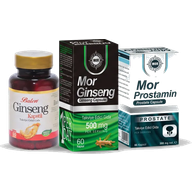

Korean Red Ginseng
Known as the 'king of herbs' in Korean medicine. A core ingredient supporting natural energy, alertness and daily fatigue resistance.
We select botanical and mineral ingredients with a long record in traditional Arabic and Eastern medicine, and modern studies supporting their role in daily wellness.

Healers and herbalists across the Arab world and the East have used these plants for centuries — from black seed and date palm pollen to ginger and cinnamon. This long heritage gives us a rich starting point for selecting ingredients.
Today, modern extraction methods produce standardized botanical extracts with consistent potency. This combines traditional heritage with the precision of modern science in well-regulated, safe formulas.
The core ingredients in ArabiaNatural formulas and their documented role.
Known as the 'king of herbs' in Korean medicine. A core ingredient supporting natural energy, alertness and daily fatigue resistance.

A traditional plant used for centuries to support male vitality and athletic activity. Helps maintain natural energy levels.

A Peruvian root used for centuries to support energy, endurance and general mood. Rich in minerals and amino acids.

A natural amino acid supporting normal circulation and oxygen flow to muscles. A common ingredient in male supplements.

An essential mineral for immunity, metabolism and maintaining normal testosterone levels. Critical for male health.

Supports protein and carbohydrate metabolism and helps reduce tiredness. Essential for the nervous system.

An American palm whose berries have been used since the 19th century to support prostate health. The most popular ingredient in men's-health formulas.

Rich in fatty acids and minerals (especially zinc). Supports urinary tract function and bladder comfort.

A traditional plant root used to support normal urinary flow. Used for centuries in traditional European medicine.

An essential trace mineral with antioxidant properties. Supports normal cell function and works in synergy with Vitamin E.

A natural red pigment from tomatoes, studied for its role in supporting prostate health. A powerful antioxidant.

A natural ginseng species used for thousands of years in Asian medicine to support energy and immunity.

A rare ingredient secreted by worker bees to feed the queen. Rich in minerals, amino acids and natural growth factors.

A circulation-warming root, traditional in Arabic medicine. Supports digestion and general balance.

An ancient spice mentioned in heritage books, supporting carbohydrate metabolism and inner warmth.

Long valued in traditional Arabic and prophetic medicine and still widely used today. A core ingredient in Arabic heritage formulas.

Used since ancient times in the Arabian Peninsula to support male vitality. Rich in amino acids and trace elements.

Rich in EGCG antioxidants that support fat metabolism and daily energy.

An amino acid that helps transport fatty acids into cells for energy production.

Contains hydroxycitric acid (HCA), known for supporting satiety and appetite control.

Helps support a balanced blood sugar response and digestive comfort.

A natural caffeine source providing sustained energy and mental focus.

A prebiotic fiber that supports gut health and enhances satiety between meals.

A traditional herb long used in European folk practice, and one of the components named in the product formula.

A traditional bitter herb long used in digestive support blends, named within the product formula.

One of the best-known spices in Arab cooking and traditional practice, named among the product's components.

Astringent plant compounds naturally present in many herbs, described as an active element of the product.

Named in the product description. Larger molecules stay on the skin surface and help it feel hydrated and smooth.

Named in the product description, and described as not forming a surface layer but reaching deeper skin layers.

The product description names plant extracts within the formula without detailing which ones.

The product description notes the absence of excess oils, which suits skin that leans oily.

A yellow rhizome common in cooking and in traditional practice across the East and India.

A berry extract rich in coloured plant pigments.

A structural protein found in skin and cartilage, extracted for use in formulas.

A group of vitamins added to the formula to support the daily diet.

An oil from the seeds of the Moroccan argan tree, traditional in skin and hair care.

A mineral involved in hundreds of reactions in the body, coming mainly from food.

Green tea leaf, a traditional source of plant antioxidants.

Hawthorn fruit and leaf, traditional in European and Chinese herbalism.

An aromatic substance from the camphor tree, used topically for its cooling note.

A compound from mint oil giving a cooling sensation on the skin.

The resin of the frankincense tree, used across Arabia for thousands of years.

An oil from eucalyptus leaves, known for its sharp scent and topical use.

An extract from horse chestnut seeds, traditional in topical leg preparations.

A hot pepper that gives a warming sensation when applied in a topical preparation.

An extract from pine bark or needles, used in topical formulas.

Natural honey, a traditional component of Arab recipes since antiquity.

A root used in traditional Asian practice for centuries, common in daily-energy formulas.

An amino acid found naturally in nuts and meat, added to daily-support formulas.

A traditional herb in Chinese practice, known as horny goat weed.

Leaf of the ginkgo tree, one of the oldest surviving plant species on earth.

A fat-soluble vitamin found in vegetable oils and nuts.

Dietary fibre that adds bulk to a meal and slows how fast the stomach empties.

The fruit of an American dwarf palm, common in men’s health formulas.

Nettle root, a traditional European herb used in daily-support formulas.

Essential fatty acids sourced from fish and plant oils.

A plant pigment found in leafy greens that naturally concentrates in the retina.

Psyllium seed husk, a concentrated source of soluble fibre.

Fibres that feed the beneficial bacteria already living in the gut.

B-group vitamins, involved in how the body draws energy from food.

Trace minerals the body needs in small amounts from food.

A plant compound extracted from several herbs, the most studied ingredient in this category.

A fruit traditional to Asian kitchens, long used in plant formulas.

A trace mineral the body gets from food in small amounts.

An acid found naturally in the body and in some foods, added to supplements.

A traditional Indian herb whose local name means “sugar destroyer”.
Yes, we rely on studied botanical extracts, vitamins and minerals, with no synthetic hormones or stimulants.
A standardized extract guarantees a consistent concentration of active compounds in every dose, whereas the raw herb varies from batch to batch. That is why we use modern extracts for consistent quality.
If you take a treatment prescribed by your doctor, consult your doctor or pharmacist before adding any dietary supplement, as some herbs may interact with certain medicines.
Natural ingredients work gradually; results usually appear after several weeks of consistent use within a balanced, healthy lifestyle.
Natural ingredients are not a substitute for the medication your doctor prescribes. Some herbs may interact with certain medicines, so if you take a prescribed treatment — for blood pressure, blood sugar or anything else — consult your doctor or pharmacist before adding any dietary supplement.
When used thoughtfully and under professional guidance, natural ingredients can be a complementary support to a healthy lifestyle.